Heartbeat Embroidery Design Review
First Impressions of Heartbeat
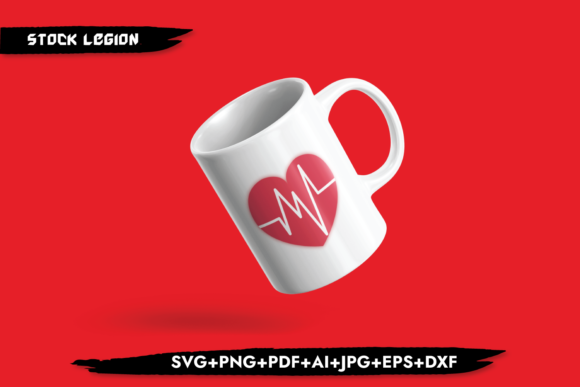
From the moment I laid eyes on Heartbeat, it felt like a design that could easily become a staple in any embroidery project. The heart shape is clean and bold, with a subtle rhythm that suggests motion and emotion. It’s not just a simple icon—it carries a sense of life and connection. The design’s layout is balanced, with enough detail to be visually engaging without being overwhelming.
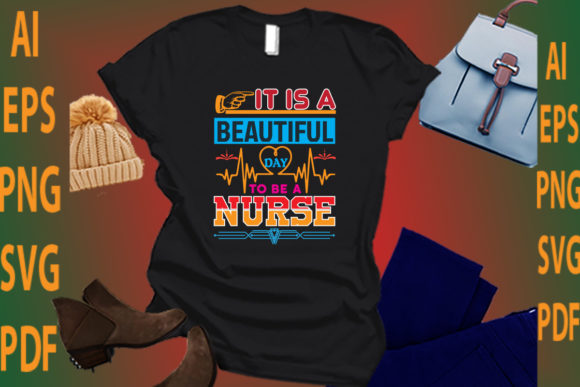
The theme is unmistakably medical, which makes it ideal for healthcare-related items, but it also has a universal appeal that can work in more general contexts. The level of detail is just right—enough to make the design stand out but not so intricate that it becomes a challenge to stitch on smaller hoops or delicate fabrics.
Heartbeat in Real-World Embroidery Projects
As an embroidery designer, I often think about how a design will translate from digital file to finished product. Heartbeat fits well into custom apparel, such as sweatshirts and t-shirts, where its size and structure allow for clear stitching. It also works well as a tote bag design, especially for small businesses looking to add a professional touch to their merchandise.
For baby items, like onesies or blankets, Heartbeat can be a meaningful addition. Its simplicity allows for easy customization with different thread colors, making it versatile for personalized gifts. As an embroidered patch, it holds up well, maintaining its shape and clarity even when stitched onto thicker materials.
I’ve seen similar designs used on aprons, caps, and pillow covers, and Heartbeat would fit those applications nicely. Its smooth lines make it suitable for both satin stitch and fill stitch techniques, depending on the desired effect. For holiday or wedding gifts, it offers a subtle yet impactful design that feels thoughtful and intentional.
Where to Use Heartbeat with Caution
While Heartbeat is a strong design, there are some situations where it might require extra attention. On small hoop sizes, the design may need to be resized or split to ensure proper stitching. Textured fabrics or thin, stretchy materials can sometimes cause the stitches to pull or distort, so testing on scrap fabric is always a good idea.
On dark fabrics, the contrast between the design and the background can be crucial. If the design is too light, it may not show up well. Similarly, on layered garments or curved surfaces like caps, the design might need additional stabilizer to maintain its shape during stitching.
Detailed corners and tiny lettering aren’t part of this design, which is a relief. But if you plan to add text or other elements alongside Heartbeat, you’ll want to check how they interact. Dense stitch areas can cause puckering, so adjusting the stitch density may be necessary for certain fabrics.
How Heartbeat Impacts Visual Appeal and Customer Perception
Heartbeat adds a professional touch to any handmade product. Its clean lines and recognizable shape make it instantly appealing, which is great for customer engagement. When used on Etsy listings or craft fair displays, it can help set your products apart by offering a unique, emotionally resonant design.
As a digital product seller, I know how important it is for designs to be versatile and adaptable. Heartbeat works well for printable mockups and digital product previews, allowing customers to visualize how the design will look on their chosen item. This helps build trust and reduces the chances of returns or dissatisfaction.
For commercial embroidery projects, Heartbeat’s quality and clarity make it a reliable choice. It maintains its integrity across different fabric types and stitching methods, ensuring that the finished product meets high standards. Whether you’re creating boutique branding or small shop merchandise, Heartbeat can be a valuable asset in your design library.
Practical Tips for Using Heartbeat
Before using Heartbeat in a real project, I recommend testing it on scrap fabric. This allows you to see how the design looks in practice and identify any potential issues. Checking thread color contrast is essential, especially if you plan to use it on dark or light backgrounds.
Reviewing the stitch density will help you determine if any adjustments are needed for your specific project. Confirming the hoop size is also important—make sure the design fits comfortably within your machine’s capabilities. Inspecting small details, like the edges of the heart, can reveal whether the design needs refinement.
Testing Heartbeat in black and white mockups can give you a better idea of how it will appear on different fabrics. Comparing it on light and dark backgrounds helps ensure it remains visible and effective. Using the right stabilizer is key, especially for delicate or stretchy fabrics.
If you’re planning to sell finished items or digital products featuring Heartbeat, be sure to check the licensing terms. While the product description mentions it’s tested at the highest quality, exact terms aren’t provided, so it’s best to verify before using it commercially.
Final Thoughts on Heartbeat
Heartbeat is a solid embroidery design that offers both aesthetic and practical value. Its clean, medical-themed heart shape is versatile enough to work in a variety of settings, from custom apparel to personalized gifts. It performs well in most embroidery situations, though some care is needed for specific fabric types and hoop sizes.
For embroidery designers, small business owners, and crafters, Heartbeat is a reliable addition to your design assets. It supports a range of creative projects, from handmade products to commercial embroidery, and its visual appeal can enhance the value and presentation of your work.
Whether you’re looking to create a meaningful gift, boost your Etsy listings, or expand your craft business, Heartbeat is worth considering. Just remember to test it thoroughly and use it thoughtfully to ensure the best results for your clients and customers.